Co-op Board Approval Process in Brooklyn - Legal Tips for Buyers
Buying a co-op in Brooklyn is not like buying a condo or a house. You are not just purchasing real estate; you are buying shares in a corporation that owns the building, and the existing shareholders get a say in whether you join. That say comes in the form of board approval, and it adds a layer of complexity that catches many buyers off guard.

What the Co-op Board Approval Process Involves
Every co-op building in Brooklyn runs its own approval process, but the general structure is consistent. After a seller accepts your offer and an attorney completes contract review, typically within 2–5 business days, the building's managing agent sends you a co-op board package. This package is a detailed application asking for financial statements, tax returns, bank records, personal and professional references, and often a personal statement explaining why you want to live in the building.
Preparation is intensive. Most packages require two to three years of tax returns, recent pay stubs, a net worth statement, and letters from employers and personal references. Some Brooklyn buildings also require a debt-to-income ratio below a specific threshold, commonly 25–30%, and liquid assets equal to one or two years of maintenance fees after closing.
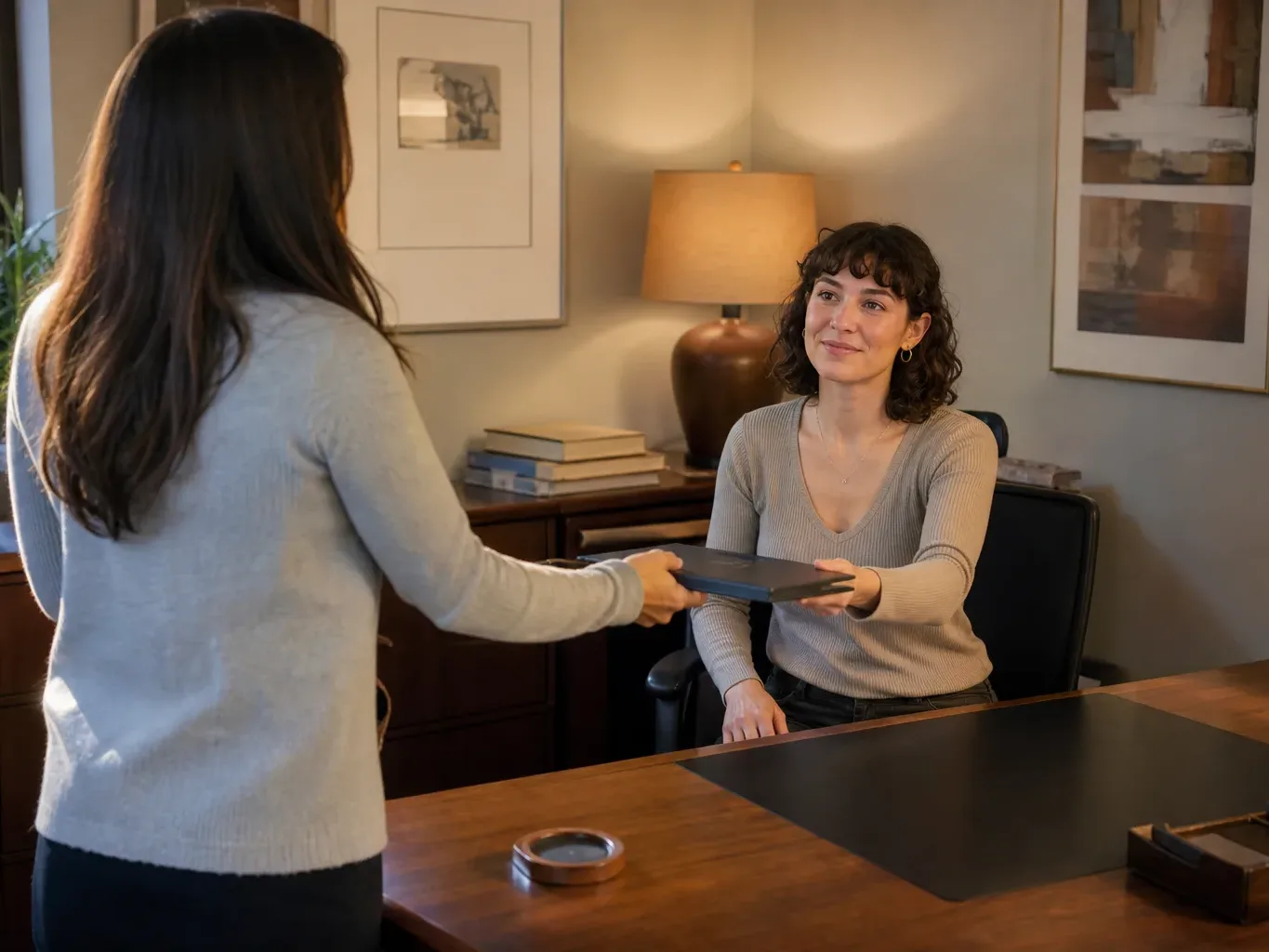
Once submitted, the board reviews the package and decides whether to schedule an interview. The interview itself is usually brief, 20–30 minutes, but it carries significant weight. Boards can approve, reject, or simply decline to state a reason for a rejection, which is their legal right under New York cooperative housing law.
How Long Does Co-op Approval Take in Brooklyn?
The board approval stage typically adds 4–8 weeks to the standard closing timeline. A standard Brooklyn residential transaction runs 60–90 days from accepted offer to closing, so a co-op purchase can stretch to four or five months in total. Delays are common when packages are incomplete, when the managing agent schedules interviews infrequently, or when a board requires additional documentation after reviewing your submission.
Buildings with larger boards or those that meet less often tend to run on the longer end. Buyers who submit thorough, well-organized packages almost always move through the process faster than those who send incomplete files and then scramble to gather missing documents.


Why a Real Estate Attorney Is Essential Before You Submit
An attorney admitted to the New York State Bar who handles Brooklyn co-op transactions regularly knows what boards look for and where packages fall short. Attorney fees for a co-op purchase typically run $2,000–$3,500, reflecting the additional work of proprietary lease review and board package coordination on top of standard closing tasks.
Your attorney reviews the proprietary lease before you sign the contract of sale. This document governs your rights as a shareholder, covering subletting rules, renovation approval procedures, and what happens if you default on maintenance. Restrictions buried in a proprietary lease can affect your plans significantly, and discovering them after signing is costly.
Reviewing the Financials of the Building
A competent attorney will also review the co-op corporation's financial statements, which the building is required to provide. These statements reveal the reserve fund balance, any underlying mortgage on the building, pending assessments, and the corporation's overall financial health. A co-op with a thin reserve fund or a large deferred maintenance backlog is a risk that may not be visible to buyers focused only on the apartment itself.
Spotting Board Rules That Affect You
House rules vary considerably across Brooklyn buildings. Some co-ops prohibit subletting entirely; others allow it after two years of ownership but cap the rental period at three out of five years. Pet policies, renovation hours, and move-in fees also differ. Your attorney reads these rules as part of the package review and flags anything that conflicts with your plans, before you are legally committed.
Preparing a Strong Co-op Board Package
The board package is your first impression, and it needs to be organized, complete, and presented professionally. Tabs, cover letters for each section, and a clean net worth statement go further than a loose stack of documents. Boards approve buyers they feel confident about, and a polished package signals financial seriousness.
Your attorney can help you draft the personal statement and review the financial disclosures before submission. Some attorneys coordinate directly with the managing agent to confirm that the package meets the building's specific checklist. This reduces back-and-forth and shortens the review period.
What to Expect at the Board Interview
Interviews are conversational rather than adversarial in most cases. Boards typically want to confirm that you understand the financial obligations of co-op ownership and that you will be a responsible neighbor. Common topics include your employment situation, how long you plan to stay, whether you intend to renovate, and whether you have pets.
Dress professionally, arrive on time, and keep answers concise. Avoid volunteering information that goes beyond the question. Your attorney cannot attend the interview with you in most buildings, but they can prepare you for likely questions in advance.

If the Board Rejects Your Application
Boards in New York are not required to explain a rejection, and courts have repeatedly upheld this right as long as the decision is not based on a protected class under federal, state, or city fair housing law. Protected classes include race, national origin, religion, sex, disability, familial status, sexual orientation, and source of lawful income, among others.
If you believe a rejection was discriminatory, contact an attorney promptly. Documenting the timeline and any communications related to the rejection is critical. In cases where discrimination is demonstrable, complaints can be filed with the New York City Commission on Human Rights or the New York State Division of Human Rights.
For most buyers, a rejection means returning to the market. An attorney can help you assess whether the rejection was likely financial, policy-based, or otherwise, and advise whether re-applying to the same building after adjusting your financial profile is realistic.
Closing Costs Specific to Brooklyn Co-op Purchases
Co-op closings carry a different cost structure than condo or house purchases. Title insurance is generally not required for co-op purchases because you are buying shares, not real property. However, you will pay a title search fee of $300–$600 in some cases, along with the New York City Real Property Transfer Tax (RPTT), a flip tax if the building imposes one, and move-in deposits.
The RPTT is typically paid by the seller, but in some negotiations it shifts. Always confirm who bears the RPTT in your specific contract of sale. An attorney with over 10 years of Brooklyn real estate law experience will catch these details during contract review and help you understand your true out-of-pocket costs before you reach the closing table.

Frequently Asked Questions
What Is the Co-op Board Approval Process in Brooklyn?
After a seller accepts your offer, you must submit a co-op board package to the building's managing agent. This includes financial statements, tax returns, references, and a personal statement. The board reviews the package, may schedule a 20–30 minute interview, and then votes to approve or reject your application. The entire stage typically adds 4–8 weeks to your closing timeline.
Can a Brooklyn Co-op Board Legally Reject My Application Without Giving a Reason?
Yes. Under New York cooperative housing law, boards are not required to explain a rejection. The exception is if the rejection was based on a protected class such as race, religion, national origin, disability, or source of lawful income. If you suspect discrimination, an attorney can help you evaluate whether you have grounds to file a complaint with the NYC Commission on Human Rights.
Do I Need a Real Estate Attorney to Buy a Co-op in Brooklyn?
While technically not mandated by law, a real estate attorney is essential for a Brooklyn co-op purchase. An attorney reviews the proprietary lease, the building's financial statements, and the contract of sale, and helps you prepare a complete board package. Attorney fees for co-op purchases typically run $2,000–$3,500, reflecting the extra work involved compared to a standard residential closing.
What Does the Co-op Board Package Include?
A typical Brooklyn co-op board package includes two to three years of tax returns, recent pay stubs, bank and brokerage account statements, a signed net worth statement, personal and professional reference letters, and a personal statement. Some buildings add a debt-to-income threshold requirement or ask for proof of liquid assets equal to one to two years of maintenance fees after closing.
How Long Does It Take to Close on a Co-op in Brooklyn?
A standard Brooklyn residential transaction closes in 60–90 days from accepted offer. Co-op purchases extend that timeline because board approval alone takes 4–8 weeks on top of contract review and other closing steps. Buyers who submit organized, complete board packages move through the process faster and reduce the risk of delays caused by requests for missing documents.