Brooklyn Real Estate Closing Process Explained
Brooklyn sees roughly 10,000–12,000 residential transactions close every year, and every single one follows the same essential sequence of legal, financial, and administrative steps. Whether you are buying a brownstone in Bed-Stuy or selling a co-op in Park Slope, the closing process determines whether your deal reaches the finish line on schedule. Knowing what happens at each stage reduces surprises and helps you respond quickly when your attorney or lender needs something from you.
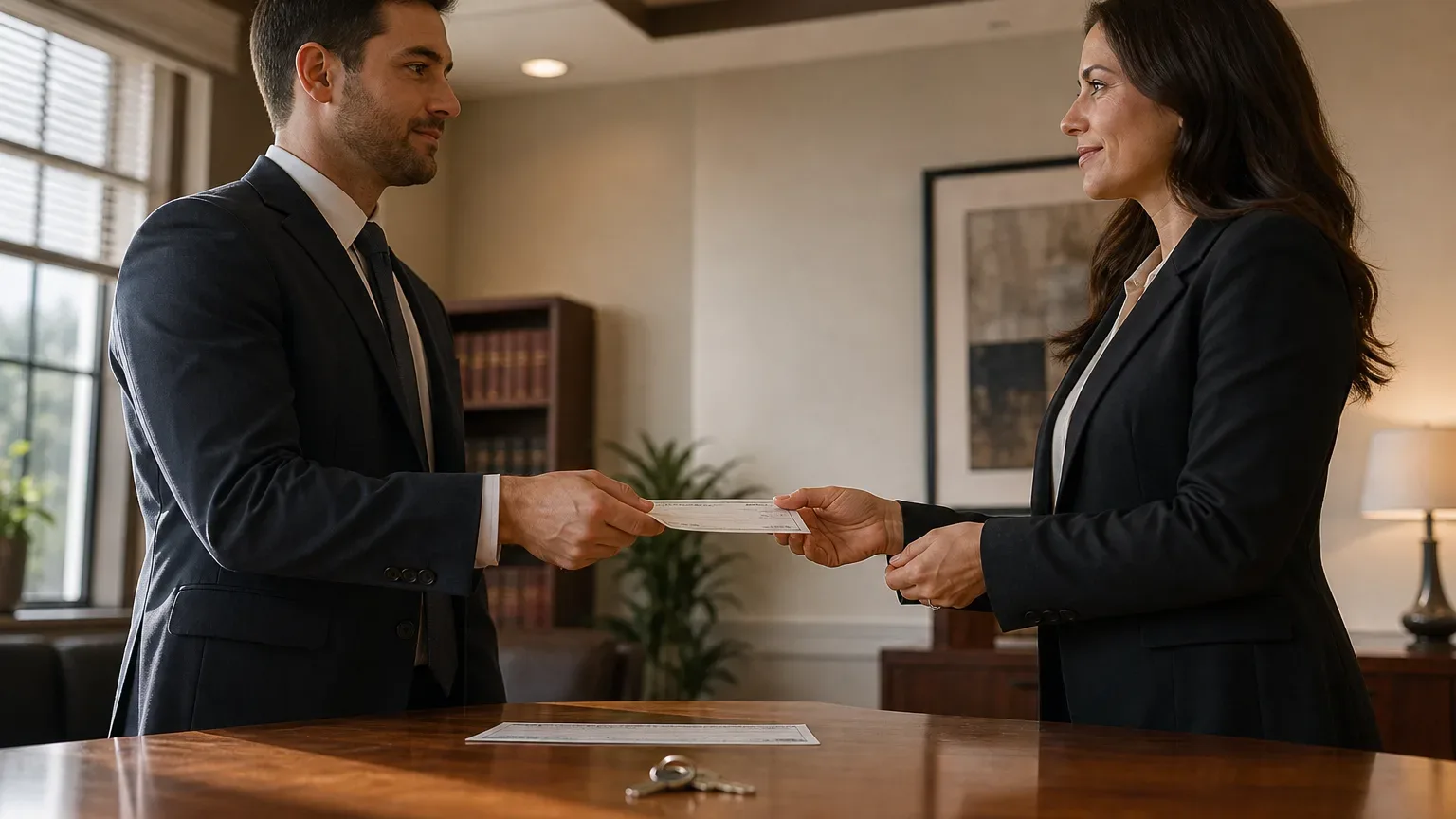
Step 1 - Signing the Contract of Sale
The contract of sale is the legally binding document that commits both buyer and seller to the transaction. After you accept an offer, the seller's attorney drafts the contract and sends it to the buyer's attorney for review. That review period typically takes 2–5 business days, during which your attorney negotiates any rider clauses covering repairs, closing date flexibility, or contingency terms. Once both sides sign, the buyer's deposit, usually 10% of the purchase price, is held in escrow until closing.
Signing the contract of sale officially starts the clock. From this point, the typical Brooklyn residential transaction takes 60–90 days to reach closing. Co-op purchases often run longer because board approval adds 4–8 weeks to that timeline.

Step 2 - Mortgage Application and Commitment Letter
If you are financing the purchase, your lender needs a fully completed mortgage application plus supporting documents, including pay stubs, tax returns, and bank statements. The lender orders an appraisal to confirm the property value supports the loan amount. Once the underwriter is satisfied, the lender issues a mortgage commitment letter, which confirms the loan is approved subject to final conditions.
Your attorney and the lender's attorney coordinate closely during this phase. Any gap between the appraised value and the purchase price can require renegotiation or additional funds. Missing a document the lender requests can push your commitment date back, so respond to every request the same day you receive it.
Step 3 - Title Search and Title Insurance
A title search examines the chain of ownership recorded in the Kings County land records to confirm the seller has clear, marketable title. The search looks for unpaid liens, judgments, open permits, and any claims against the property. In Brooklyn, a standard title search result comes back in 5–10 business days. The search itself typically costs $300–$600.
Why Title Insurance Matters
Title insurance protects you against defects in the title that neither you nor the searcher discovered before closing. An owner's policy is priced at roughly 0.4%–0.5% of the purchase price and covers you for as long as you own the property. On a $900,000 Brooklyn condo, that translates to approximately $3,600–$4,500 paid once at closing. The lender almost always requires a separate lender's policy; both are purchased simultaneously and the combined premium is less than buying each independently.

Step 4 - Co-op Board Approval (Co-op Purchases Only)
Buying a co-op in Brooklyn adds a distinct layer that condo and house buyers skip entirely. You are not purchasing real property; you are acquiring shares in a cooperative corporation and the right to occupy your unit under a proprietary lease. The co-op board controls who can own shares, so they review a co-op board package before approving any buyer.
What Goes Into a Co-op Board Package
A typical co-op board package includes financial statements, tax returns, bank statements, reference letters, and a detailed personal questionnaire. Your attorney coordinates the package and ensures nothing is missing before submission. After submission, the board schedules an interview, which is often the final step before formal approval. The entire board approval process adds 4–8 weeks to the standard closing timeline, so factor that into any commitment deadlines your lender sets.
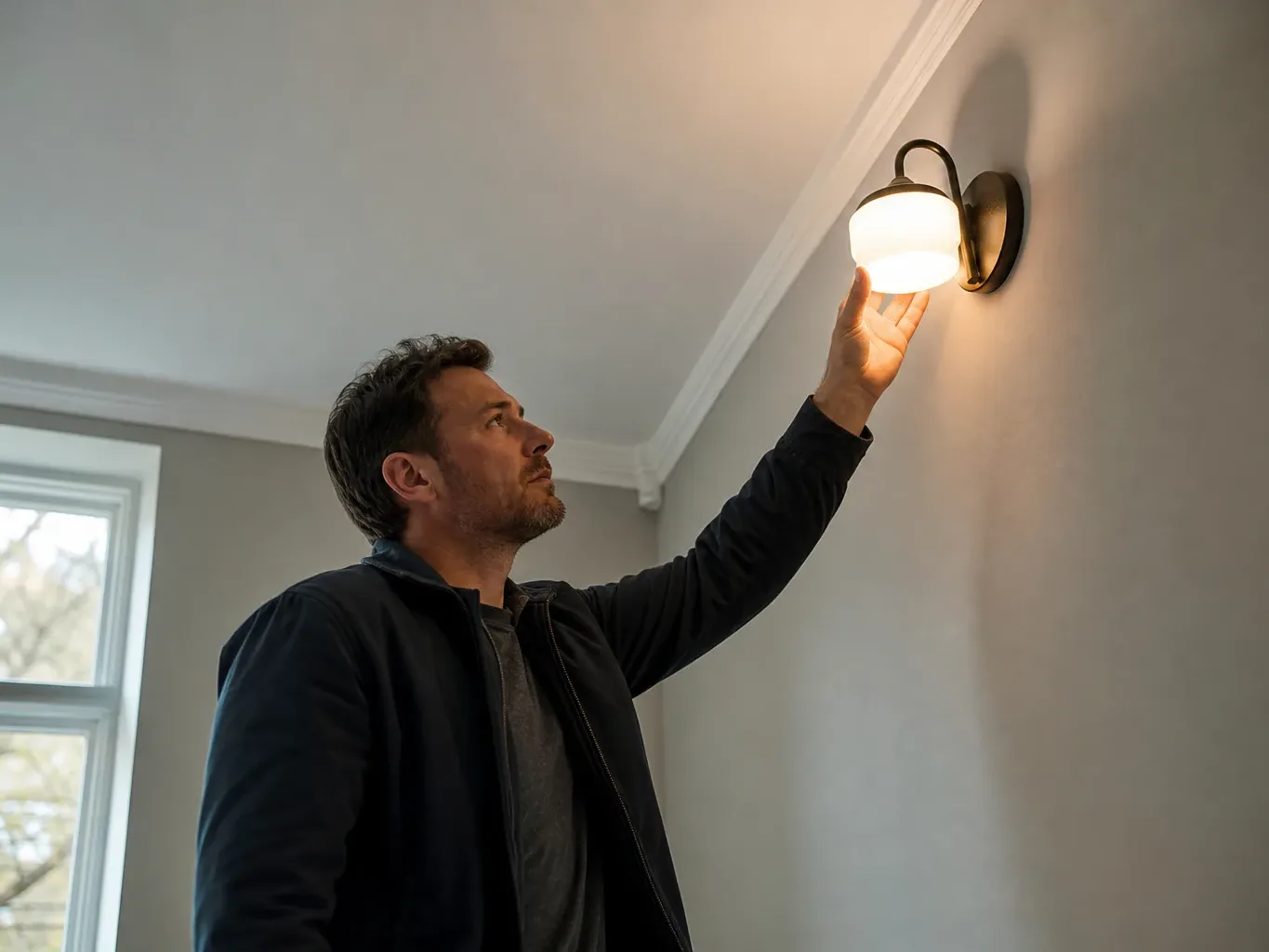
Step 5 - Closing Disclosure and Final Walkthrough
At least three business days before closing, your lender provides a Closing Disclosure outlining every fee, interest rate, and cash-to-close figure. Review it line by line and flag any figure that differs from the Loan Estimate you received at application. Your attorney can help identify any discrepancies that need correction before the closing date.
The final walkthrough, typically done 24–48 hours before closing, confirms the property is in the agreed condition and that any negotiated repairs are complete. Bring your contract of sale so you can cross-reference what was promised. If something is wrong, your attorney can negotiate a credit or escrow holdback before you sign anything at the closing table.

Step 6 - the Closing Table
Closing day is when ownership officially transfers. The parties, or their attorneys acting under a power of attorney, gather to sign documents and exchange funds. In New York, closings often happen at the title company's office or the lender's attorney's office in Manhattan or Brooklyn.
What You Sign and Pay
Buyers sign the mortgage note, deed of trust, and a stack of lender disclosures. Sellers sign the deed and transfer documents. Both sides pay their respective closing costs. The New York City Real Property Transfer Tax, or RPTT, is typically a seller cost, calculated at 1% of the purchase price on sales up to $500,000 and 1.425% above that threshold.
Buyers pay the mortgage recording tax, which ranges from 1.8%–1.925% of the loan amount depending on the loan size.
Attorney fees for a residential closing generally run $1,500–$3,000 for standard transactions. Co-op closings, which require proprietary lease review and board approval coordination, often fall at the higher end or reach $2,000–$3,500. All funds must arrive via certified check or wire transfer; personal checks are not accepted at the closing table.
Common Delays and How to Avoid Them
The most frequent causes of delayed closings in Brooklyn are slow mortgage processing, unresolved title issues, and incomplete co-op board packages. You can prevent most of them by responding to your attorney and lender within 24 hours, gathering all financial documents before you sign the contract of sale, and choosing an attorney with specific Brooklyn residential closing experience.
Open permit violations found during the title search can be particularly disruptive. A seller who has an unpermitted renovation must resolve the violation through the Department of Buildings before the title company will insure the property. That process can add weeks, so identifying issues early through a thorough title search is the most effective protection you have.
Frequently Asked Questions
How Long Does the Real Estate Closing Process Take in Brooklyn, NY?
A typical Brooklyn residential transaction takes 60–90 days from the accepted offer to closing. Co-op purchases take longer because board approval adds 4–8 weeks to that baseline.
What Does a Real Estate Attorney Charge for a Brooklyn Closing?
Attorney fees for a standard Brooklyn residential closing generally run $1,500–$3,000. Co-op transactions, which involve proprietary lease review and board approval coordination, typically cost $2,000–$3,500.
What Is the Co-op Board Package and Why Does It Take So Long?
The co-op board package is a detailed set of financial and personal documents the board reviews before approving a buyer. Assembling it, submitting it, and scheduling a board interview commonly adds 4–8 weeks to the closing timeline.
Do I Need Title Insurance When Buying Property in Brooklyn?
Yes. Your lender will require a lender's title policy, and purchasing an owner's policy for yourself is strongly advisable. Owner's title insurance is priced at roughly 0.4%–0.5% of the purchase price and covers defects that the title search did not catch.
Who Pays the New York City Real Property Transfer Tax in a Brooklyn Sale?
The New York City Real Property Transfer Tax is typically a seller cost. It is calculated at 1% of the purchase price on sales up to $500,000 and rises to 1.425% on sales above that amount.